
Creative Writing Prompts to Get You Writing Today

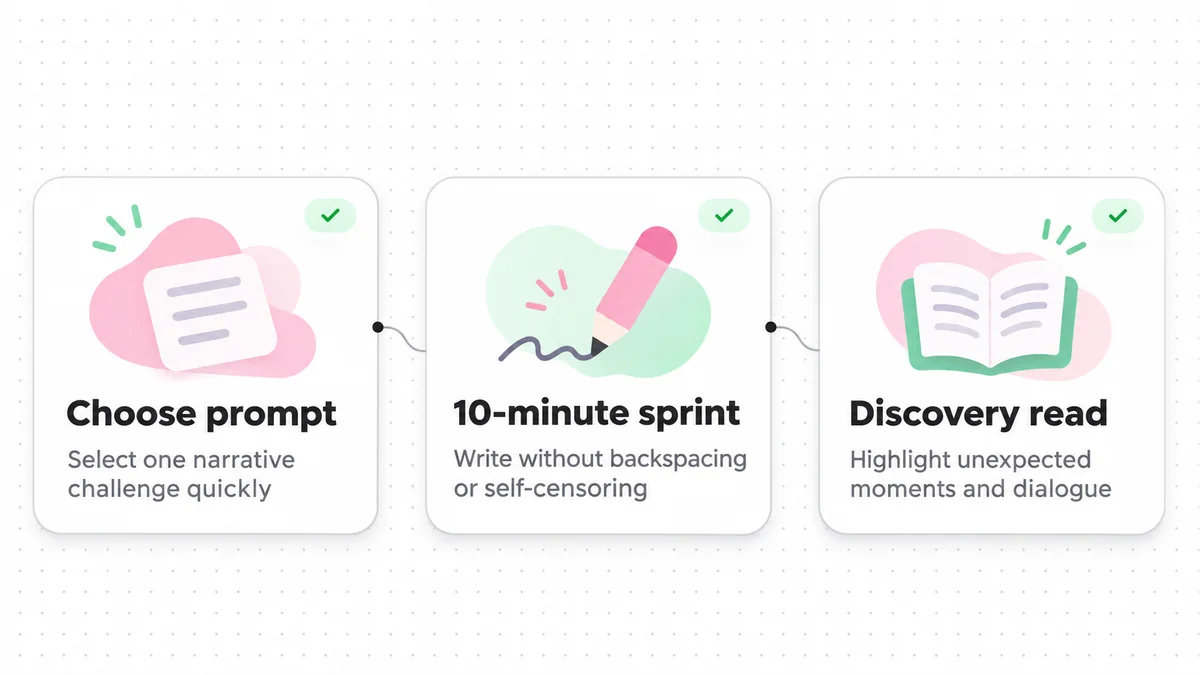
When you're tired of writing or stuck at a blank page, give yourself a constraint. Pick one prompt with a problem to solve, set a ten-minute countdown, and write without stopping to delete words or question your phrasing. A prompt gives you somewhere to begin without requiring you to plan a whole story. It helps you get past the urge to make every sentence perfect and pay attention to what your characters notice. Once you have a draft, you can work it into a story, scene, or personal essay.
A blank document leaves every direction open. It's easy to start judging scenes before you've written them. A character with an uncomfortable secret or an uninvited knock at midnight gives you something specific to work with. So does a room where two people refuse to tell each other the truth. For now, you only need to find out what happens next.
The 10-minute zero-backspace drafting rule
An idea can disappear in the first five minutes of drafting if you keep deleting every awkward sentence. The ten-minute zero-backspace rule gives you time to follow the idea before deciding whether it's any good.
Choose a single prompt and set a timer for ten minutes. Keep writing, whether you're using a keyboard or a pen. Leave an awkward sentence alone and write the next one. If you can't remember the word for an object, use a placeholder. If the story contradicts your first paragraph, follow it for now. You can fix the beginning later.
The UNC Chapel Hill Writing Center brainstorming guide explains that judging ideas too early can interrupt the flow of writing. Give drafting and editing separate time. That lets you try connections you might otherwise reject before getting them on the page.
When the timer rings, step away for a minute before reading your draft. Expect uneven sentences and repeated words, perhaps an abrupt jump between scenes. You may also find a phrase you want to keep or a reaction you hadn't expected from a character. Those are useful places to start when you revise.
How narrative triggers spark fresh stories
A prompt such as "write about a hero who goes on a quest" or "write about a magical forest" still leaves you with most of the decisions. You have a topic, but you don't yet have a problem for a character to face.
A more specific prompt gives the character a reason to act. It might put two desires in conflict or limit what the character can see or hear. That gives you a scene to write before you need a full plot.
The Kindlepreneur guide to creative writing prompts groups prompts by storytelling format and genre. Choose a category based on what you want to practice. Working on dialogue calls for a different starting point than practicing description.
Use this table to choose the kind of practice you need.
| Prompt category | Main challenge | Best for |
|---|---|---|
| Story starters | Start the action with a problem that catches the reader's interest | Get past a blank page and try a new story idea |
| Character dilemmas | Give a character two difficult options | Show what matters to a character and what they could lose |
| Atmospheric settings | Describe a place through sight, sound, and touch | Set the mood and make a scene feel real |
| Dialogue subtext | Let disagreement show in what characters leave unsaid | Write natural conversations with tension beneath the words |
| Poetry and imagery | Express strong feelings through clear metaphors and fresh images | Practice rhythm and choose words carefully |
| Reflective journaling | Write about real memories and what they mean to you | Develop personal essays and your own voice |
| 10-minute micro-sprints | Keep writing without stopping to delete or correct words | Write daily and draft more quickly |
Story starters and compelling opening hooks
A story starter puts the reader in the middle of a problem and gives them a reason to ask what happens next. Try one of these openings without adding background first.
- The telegram arrived thirty years late, delivered to an address that had been demolished two decades earlier.
- You unlock your front door after a week away to discover that someone has reorganized your bookshelves by color and left a steaming mug of tea on the kitchen counter.
- During the annual harvest festival, the town clock struck thirteen times, and the eldest baker dropped his flour scoop and ran toward the woods.
- You inherit a metal safe deposit box containing only a cassette tape labeled with tomorrow's date and a locker key for a railway station in Zurich.
- The elevator stops between floors, the lights flicker out, and the stranger standing next to you whispers an apology for something you have not done yet.
- Your reflection in the bathroom mirror blinks three seconds before you do.
- The auctioneer cleared his throat, raised the wooden gavel, and announced the unexpected sale of the mayor's handwritten private diaries.
- At the roadside diner, the counter server slides a receipt across the laminate table with a penciled note on the back: Do not drink the tap water.
Start with your character's physical reaction to the opening. What do they touch, say, or decide in the next sixty seconds? Leave the explanation of how they got there for later.
Character dilemmas and moral friction
A difficult choice tells readers what a character values and what they're willing to lose. When every option has a cost, you can reveal flaws and secrets more quickly than you could through a physical description.
The Purdue Online Writing Lab invention guide asks about a character's greatest wish and greatest fear. To build a conflict, give your character two things they want but can't have together.
Use these prompts to explore difficult internal choices:
- A seasoned defense attorney discovers that the anonymous evidence proving their innocent client had an alibi will expose their own sister to life imprisonment.
- An archivist restoring century-old museum manuscripts discovers an obvious forgery executed in their late grandmother's distinct left-handed handwriting.
- A disgraced cargo ship captain is offered command of a deep-sea salvage vessel, but only on the condition that they hire the first mate whose sworn testimony cost them their original license.
- An emergency room physician recognizes the unconscious patient on the operating table as the hit-and-run driver who paralyzed their spouse five years ago.
- A quiet neighborhood librarian realizes that the rare first editions disappearing from the archives are being stolen by a lonely teenager trying to pay for family medical care.
- An ambitious architect is ordered to oversee the demolition of a historic community center that they secretly designed years ago under a pseudonym for a student competition.
- A competitive marathon runner realizes ten meters before the finish line that their rival took a shortcut through an unmonitored wooded trail, but speaking up will reveal that they witnessed it while abandoning their own hydration plan.
- An antique restorer finds a stack of unsent love letters hidden behind the drawers of an oak desk, written by their father to someone who was not their mother.
Setting and atmospheric constraints
A setting can change how characters think, breathe, and move. Let it put pressure on them during the scene. Restricting the words you use for description can also push you toward sensory details you might otherwise overlook.

As you write, pay attention to temperature and smell as well as texture and background sound:
- Write a scene set inside an antique glass greenhouse during a severe hailstorm at twilight, without using any words related to fear, storm, or glass.
- A crowded subterranean subway station loses electrical power during the peak evening commute, forcing two rival office workers to navigate the damp service tunnels in complete darkness.
- A remote coastal lighthouse station is cut off by an unseasonable spring flood tide, where the vintage wall barometer suddenly plummets lower than the recorded equipment scale.
- A secondhand bookstore situated directly behind an open-air fish market at midday in August, where the smell of yellowed paper, dust, and salt brine hangs heavy in the stifling heat.
- A luxury sleeper train stalled on an alpine trestle during a blizzard, where the dining car is steadily running out of candles and kerosene.
- An abandoned maritime radio tower on a windswept cliff at dawn, humming with electrical static that matches the rhythmic cadence of human breath.
- An immaculate hospital waiting room at three in the morning, where the steady fluorescent hum makes every squeak of a nurse's rubber shoe sound deafening.
- A desert trading outpost during a sandstorm, where every surface is coated in fine grit and characters must speak through thick linen scarves.
Dialogue and unspoken subtext
People often avoid saying what they feel when a conversation matters to them. They joke, change the subject, or busy themselves with a small task. In fiction, those evasions let readers sense the disagreement beneath an ordinary exchange.
Write a conversation without naming what the characters are really talking about:
- Two estranged business partners divide shared office furniture and desktop equipment across a folding table, never once mentioning the embezzlement audit that destroyed their company.
- An elderly parent and their adult daughter discuss the sale of a family station wagon, where every remark about worn fabric and squeaking brakes masks their unresolved grief over a lost sibling.
- A landlord and a longstanding tenant negotiate a steep lease renewal over cups of lukewarm instant coffee, while both pretend they do not smell smoke drifting up from the basement.
- Two detectives interview an affable witness in a hotel lobby, trading pleasantries about the local football team while testing each other for subtle signs of recognition.
- A head pastry chef trains their replacement on their final afternoon in the kitchen, explaining the fermentation schedule of sourdough bread while concealing the medical diagnosis forcing their retirement.
- An estranged couple meets in an airport departure lounge to return spare front-door keys, arguing intensely over who is responsible for paying the parking ticket.
- Two childhood friends meet after a decade apart at a mutual acquaintance's wedding, discussing the floral arrangements while avoiding the summer afternoon when their friendship ended.
- A manager delivers an annual performance review to an employee who recently discovered that the manager is interviewing for jobs at competing firms.
Poetry and lyrical imagery
Poetry makes you pay close attention to each word. Practicing line breaks, syllable weight, rhythm, and figurative language can help you hear those details in your prose too.
The Poets & Writers prompt archives use recurring prompts and formal constraints to encourage a writing habit in both verse and prose. A specific rule gives you a reason to look beyond the first familiar metaphor that comes to mind.
Try one of these poetry prompts:
- Compose an eight-line poem comparing morning fog creeping across highway asphalt to an unpaid debt that neighbors refuse to discuss.
- Write a free-verse poem dedicated to the physical tools of manual work: cracked leather gloves, a dented tin thermos, rusted pliers, and machine oil under fingernails.
- Describe the sensation of walking through your childhood home after fifteen years away, using only domestic items: kitchen linoleum, mismatched porcelain cups, and a squeaking pantry hinge.
- Draft a poem where each stanza begins with a color word, but the lines never name a visual object, relying entirely on temperature, physical weight, texture, and acoustic resonance.
- Capture the brief suspension of silence between lightning and thunder from the perspective of an outdoor copper telephone wire.
- Write a poem about an unsent letter discovered inside the lining of a wool winter overcoat purchased at an estate sale.
- Build a ten-line poem using only monosyllabic words to describe a river breaking through winter ice.
- Write a lyric poem that addresses an inanimate object in your pocket as though it were an ancient deity witnessing your morning commute.
Reflective journaling and personal nonfiction
Writing a personal essay or memoir means looking closely at your own experience, with enough distance to question how you remember it. Recording what happened gives you a start. Then you need to work out what it means to you.
These prompts focus on memories you could develop into personal essays:
- Write about a choice you made in under sixty seconds that altered the trajectory of your next five years, examining the physical sensations of that single minute.
- Describe an extended conversation with someone you never saw again, focusing on the words left unsaid and the assumptions you made about their life.
- Reflect on a habit or technical skill you inherited from a person you no longer speak with, and explore how that habit surfaces in your daily life.
- Recall an ordinary physical object from your childhood that vanished without explanation, and examine what that object represents to you today.
- Write about an occasion when you apologized even though you knew you were not at fault, exploring the social dynamics and desire for harmony that guided your words.
- Describe an unexpected act of generosity from a stranger during a difficult day, reconstructing the weather, the setting, and your physical reaction.
- Examine a belief you defended fiercely five years ago that you have quietly abandoned, detailing the moment you realized your perspective had shifted.
- Write about a physical place you cannot return to because it has been renovated, demolished, or placed off limits, detailing every corner you still remember.
10-minute micro-sprints and flash exercises
If you're short on time or ideas, try a flash exercise. Set a ten-minute limit and aim for a complete story of roughly one hundred to two hundred words.
- Set a timer for ten minutes. Write a scene about a home cook attempting to conceal a burnt loaf of artisan bread before dinner guests knock on the front door.
- Micro-sprint prompt: A commuter receives an envelope containing two hundred dollars in small bills and a typed note reading: Do not spend this on groceries.
- Write a tight encounter between a dog walker and a postal carrier who both notice an open second-story window on an otherwise quiet residential street.
- Ten-minute challenge: Describe an important job interview where the candidate realizes halfway through an answer that they put on two completely different shoes in the dark.
- Draft a scene that takes place entirely in the thirty seconds before a theater curtain rises on opening night, focusing on three distinct stage hands.
- Write about an office worker who discovers a brass key in the pocket of an umbrella taken by mistake from a restaurant lost-and-found bin.
- Complete a 150-word scene that begins with someone picking up a dropped coin and ends with a door locking behind them.
- Describe a tense conversation between two passengers in an elevator where neither character is permitted to use the letter e in their dialogue.
How to turn a prompt draft into a finished piece
A sprint leaves you with material to revise. To turn it into a story, essay, or poem, work through three stages: read for what interests you, sort out the structure, then edit the sentences.
Stage 1: The discovery read
Let the draft rest for at least several hours or overnight. Then read it once without correcting anything, including typos or punctuation. Give yourself a chance to see the whole piece before changing individual sentences.
Look for the point where you want to keep reading. The first three paragraphs may be warm-up: scenery or background you needed to write before reaching the beginning of the story. Mark the sentences with emotional weight or tension you hadn't planned.
Stage 2: Structural shaping and character stakes
Next, look at what happens in the draft. Does the scene develop, or does it stay where it began? A first draft may have too little action or too many disconnected events. Work out which problem you need to address before changing the order of scenes.
Cut setup the reader doesn't need. If the story starts moving on page two, when the stranger enters the diner, delete page one and start with that entrance. Make it clear what your character wants in the scene and what's stopping them. Give the ending a resolution or a reversal; don't leave it at the point where the timer happened to ring.
Stage 3: Sentence-level rhythm and clarity
Now read your sentences aloud. Listen for rhythm and check that the tone fits the scene. If you stumble over a phrase, look for tangled syntax or too many clauses.
The University of Wisconsin-Madison Writing Center active voice guide explains that putting the actor before the action can make a sentence shorter and more direct. Check passive constructions and qualifying adverbs when the action in your prose feels distant.
Check word choices too. It's easy to mix up principal and principle or affect and effect while drafting quickly, then miss the mistake when you reread. Our reference on commonly confused words can help you check those pairs before you finish.
Worked before-and-after editing examples
Small edits can make a sentence easier to follow. These examples cut extra words, put the person doing the action first, and simplify dialogue tags.
Example 1: Cutting words to focus on the discovery
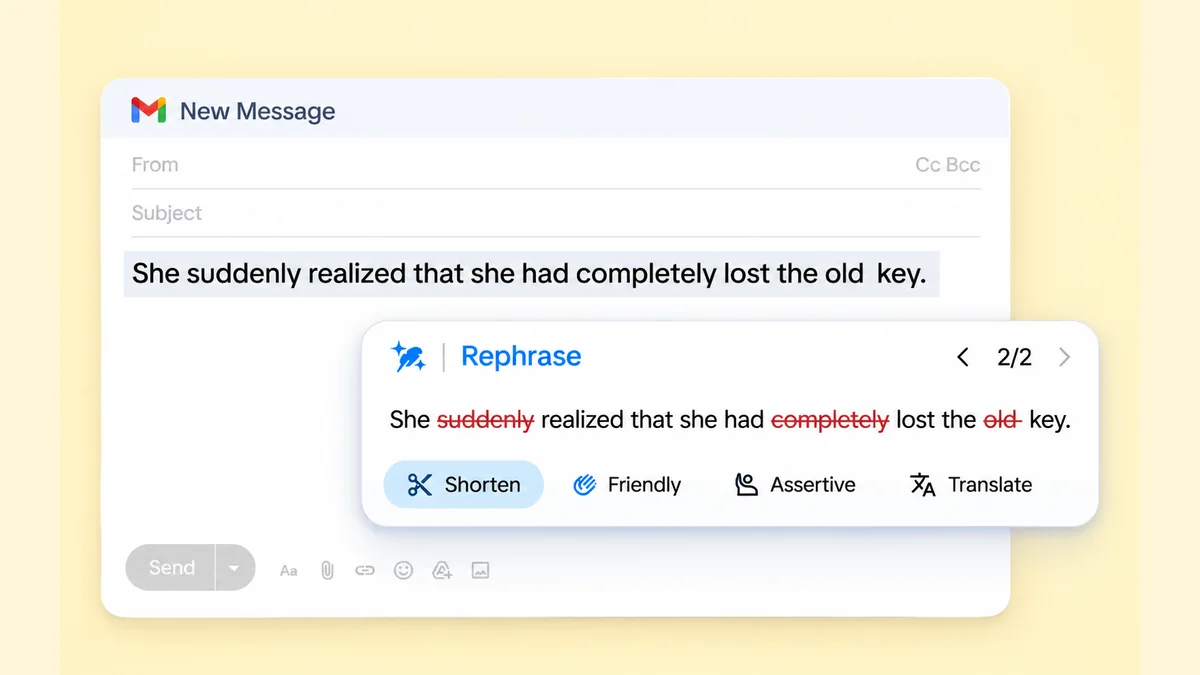
Before: She suddenly realized that she had completely lost the old key.
After: She realized that she had lost the key.
Cutting "suddenly" removes the detail that the realization came abruptly, letting the sentence focus on what she discovered. "Completely" adds emphasis to "lost" and can go. Dropping "old" also removes the key's age to keep the focus on its loss.
Example 2: Putting the character before the action
Before: The door was quietly opened by Marcus while a dark shadow was cast across the floorboards.
After: Marcus opened the door quietly while a dark shadow was cast across the floorboards.
"Marcus opened" tells us who acts before describing the action. The shadow stays in the passive voice because the sentence doesn't say what cast it.
Example 3: Using a direct verb for emotion
Before: Clara felt completely terrified of the silent attic.
After: The silent attic terrified Clara.
"Terrified" already conveys strong fear, so cutting "completely" removes extra emphasis. Making the attic the subject lets "terrified" do the work of "felt terrified of."
Example 4: Letting the dialogue carry the distrust
Before: "I really do not know if I can trust you after yesterday," Liam said nervously with hesitation.
After: "I do not know if I can trust you after yesterday," Liam said.
Cutting "really" removes emphasis from Liam's words. Dropping "nervously" and "with hesitation" removes the description of how he speaks so the line focuses on his distrust. The shorter version leaves his tone and hesitation unstated.
Revising your creative draft with Wordfully
Wordfully suggests grammar, spelling, and phrasing changes directly in your browser. Once you install the Chrome extension, suggestions appear inline in Google Docs, Notion, Gmail, and other web apps. You can fix multiple grammar mistakes in a sentence with a single click or choose which edits to keep when rephrasing. Its rewrites are humanized by default. Check suggestions against what you meant to say using our checklist on how to check an AI rewrite. The Wordfully AI writing assistant extension overview and features page explain inline corrections and model options.
Common mistakes writers make with prompts
A few habits can keep you busy with prompts without helping you finish a draft.
Mistake 1: Spending more time browsing prompts than writing
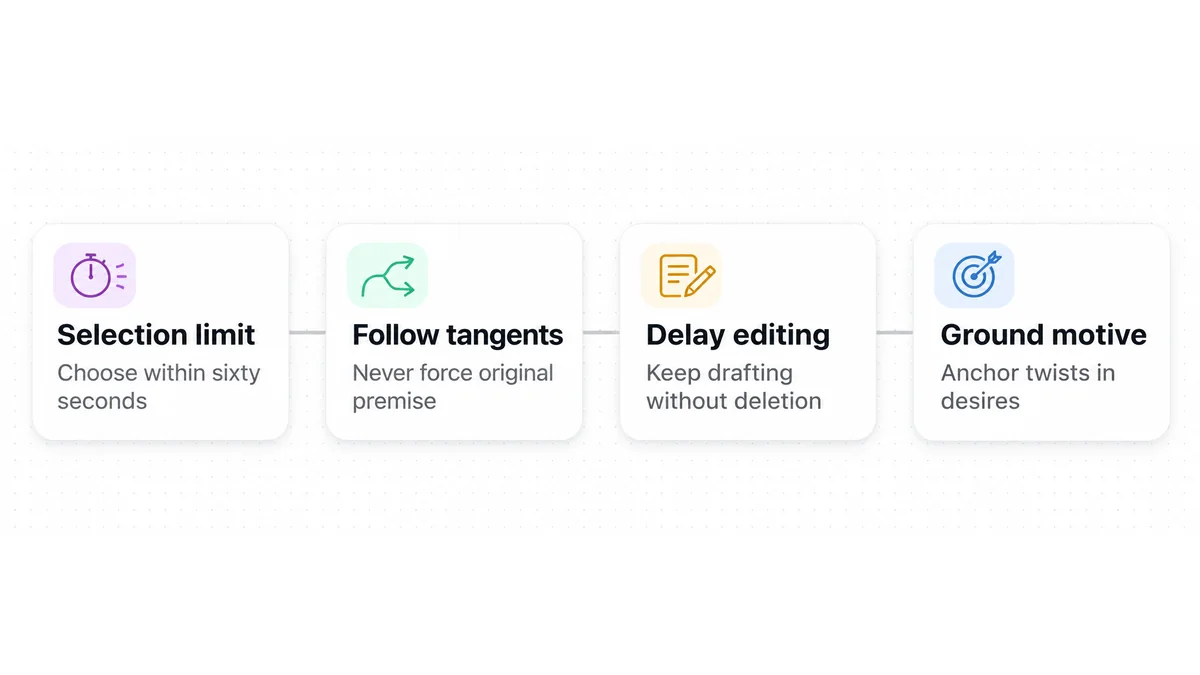
Browsing dozens of prompts can feel like practice even when you haven't written anything. Choose one within sixty seconds. If you can't decide, roll a die or take the first prompt that interests you. Give yourself time to write it before looking for another.
Mistake 2: Treating the prompt as a strict assignment
You can leave the prompt behind. If an antique clock leads you to a family argument in a garden three paragraphs later, follow the argument. Don't force the story back to the clock just to satisfy the original instruction.
Mistake 3: Discarding a draft because the opening feels clumsy
A clumsy opening is a poor reason to throw away a whole draft. Read far enough to judge the scene, even if the first few lines make you wince. The story may begin in the middle of the second page.
Mistake 4: Relying solely on plot twists without grounding character motive
A surprise needs to matter to the character. Readers need to understand what the character wants, fears, or values for a twist to have much effect. Connect the unexpected event in your prompt to a desire or vulnerability you've given them.
Frequently asked questions about creative writing prompts
What should you do when a writing prompt does not spark any ideas?
If nothing comes to mind after thirty seconds, add a detail from your own day. Try an object on your desk, a place you visited last weekend, or an emotion you felt earlier today. Something familiar can make the prompt easier to write about.
How often should you use writing prompts in your routine?
That depends on what you're working on. Ten minutes with a prompt each morning can help you build a writing habit. For a novel or memoir, use one when you're stuck on the plot or want to explore a character's backstory outside the manuscript.
Can a short exercise from a prompt become a full novel or essay?
Yes. Many published short stories and novels began as classroom exercises or timed freewriting. A character in conflict or a setting you want to explore can give you enough to continue. If you're still thinking about the characters or their unfinished dilemma after the sprint, write another scene.
Is freewriting from prompts useful for nonfiction and essay writers?
Yes. Prompts can help essayists and memoirists break familiar writing habits and recall sensory details they've forgotten. An object, a brief conversation, or a feeling you didn't express can give you a way into a personal experience without making the writing sound academic or detached.
How do you know when a draft is ready for final line editing?
Start line editing when the story's structure and the characters' choices make sense. If you still need to move scenes, cut sections, or work out what a character wants, do that first. Then you can concentrate on sentence rhythm, precise verbs, and grammar.